Baby Panda Train Driver - Kids Train Game
Reviews
Baby Panda Train Driver works best as a routine-building activity for preschoolers. The game breaks train travel into clear steps: assemble the train, check tickets, inspect suitcases, load cargo, then drive. Each step uses simple taps and drags, and the absence of timers or failure states keeps frustration low. The educational value comes from sequencing and safety habits rather than academic content. Parents seeking a calm, goal-oriented game for young children will find it fits, though older kids may outgrow the simple tasks quickly.
Description
Building the Train Piece by Piece
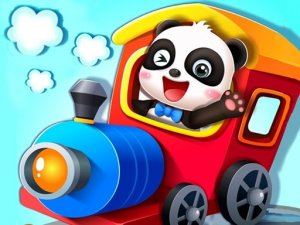
Baby Panda Train Driver opens with assembly rather than driving. Children follow simple on-screen instructions to attach the locomotive front, connect passenger carriages, and secure cargo boxes. Each part has a clear position, so the task works as a shape-and-order puzzle: the front must come before the carriages, and cargo goes where it belongs. This sequence teaches the basic anatomy of a train while giving young players a concrete goal they can finish in one sitting. The assembly phase also sets expectations for the rest of the game, where every step follows a logical order.
Ticket Checks and Suitcase Inspection
Once the train is built, the focus shifts to passengers. Kids check each ticket before anyone boards, then open suitcases to look for items that should not be brought aboard. Removing those items is framed as a safety routine, not a punishment, which keeps the tone gentle. After inspection, players guide passengers into a neat line. These tasks combine visual matching with a simple rule: check first, then board. For preschoolers, that repetition builds organizational habits without introducing complicated failure states.
Loading Cargo and Driving the Route
With passengers seated, the game moves to cargo. Players load boxes onto the train, matching each item to an available space. Only after loading is complete does the driving segment begin. Baby Panda takes the controls, and the train travels along a route with scenery that changes as the journey progresses. The driving portion is not a test of reflexes; it is a reward for completing the earlier steps. This structure gives children a clear cause-and-effect loop: prepare the train, then enjoy the ride.
Controls and Who This Suits
Every interaction uses taps and drags, with large targets and no time pressure. That makes the game accessible to preschoolers who are still developing fine motor control. The educational content stays focused on train parts, safety checks, and orderly behavior. Parents looking for a calm, goal-oriented activity rather than an action game will find that Baby Panda Train Driver matches that expectation. The absence of scores, timers, or competitive elements keeps attention on completion and routine.




Editorial Notes