Color Sprint 3D Dash
Reviews
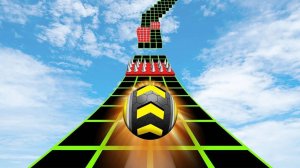
Color Sprint 3D Dash keeps its scope tight: one character, three swipe inputs, and a speed curve that does the heavy lifting. The bright 3D environments and smooth animations make obstacles easy to read, which is important when the pace climbs. Runs can be brief or extended, so it fits players who want a low-commitment reflex test. The main limitation is variety—if you want upgrades or story, this is not that game.
Description
One-Touch Movement, Three Decisions
Color Sprint 3D Dash hands you a character that runs forward on its own. Your only inputs are swipes: left and right shift the character sideways to clear barriers, while an upward swipe lifts them over low obstacles. Because the game handles forward motion, every decision is about timing and lane choice rather than acceleration or steering. The controls respond quickly, which matters once the pace climbs and a late swipe ends the run.
How the Pace Escalates
The run does not stay at one speed. As you avoid obstacles, the forward pace gradually increases. That change is the main difficulty curve: patterns you handled early become tighter, and the window for a clean jump or sidestep narrows. Score comes from distance and obstacles cleared, so survival and points are the same goal. Planning ahead—reading which lane stays open—matters as much as raw reaction speed.
Bright 3D Presentation
The world is three-dimensional and colorful, with environments that shift as you progress. The visual style favors clarity over clutter, which helps you spot upcoming obstacles even when the screen is moving fast. Smooth animations keep the character readable against the background, and the overall tone stays light with no intense or inappropriate elements.
Runs That Fit Any Break
A single attempt can last a few seconds or stretch into several minutes depending on skill. There is no long setup or commitment between runs, so the game suits short breaks and longer sessions equally. Progress is measured in the current run rather than a persistent save, which keeps the focus on the next attempt.
Compatibility
Faq
What is the main goal in Color Sprint 3D Dash?
How do the swipe controls work in Color Sprint 3D Dash?
Does Color Sprint 3D Dash get harder over time?
How long does a typical run last?
Is Color Sprint 3D Dash suitable for younger players?
What makes Color Sprint 3D Dash different from other endless runners?
Related Titles

Orbital Tap Journey Arcade
Grid Collector Clicker
Frog Journey Platformer
Galactic Pixel Storm Space Shooter

Word Link Puzzle Game

Words of Wonders Word Puzzle

Word Search Puzzle Online

Bubble Word Puzzle

Word Scramble Puzzle Game
Crocword Word Puzzle
Word Builder Puzzle
Editorial Notes