Puzzle Leap: Thinking Adventure
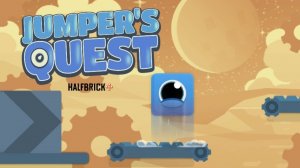
Reviews
Puzzle Leap: Thinking Adventure stands out by treating enemies as predictable moving obstacles rather than combat targets, which keeps the experience non-violent and accessible. The two-input jump system—tap for a hop, hold for a higher leap—removes control complexity and puts the emphasis on reading switch and block interactions. Distinct world themes change how puzzles feel, from open floating islands to denser ancient ruins and forests with natural interference. Replayable levels and hidden routes add depth. The gentle difficulty curve suits players who prefer thoughtful pacing over twitch reactions, though those seeking fast action may find it slow.
Description
Planning Over Reflexes
Every level in Puzzle Leap: Thinking Adventure asks you to read the room before you move. Switches and moving blocks form the core vocabulary: flipping a switch might shift a platform into reach, while a block's path can open or close a route. The game expects observation first, then a plan. Trial and error is not the intended loop; each puzzle has a logical solution, and finding it is the reward. Difficulty grows by layering new elements onto mechanics you already understand, so earlier lessons stay useful.
Worlds With Distinct Rules
Environments are not just backdrops; they change how you approach a puzzle. Floating islands emphasize open gaps and the timing needed to cross them. Ancient ruins introduce denser mechanisms that demand more careful sequencing. Mystical forests add natural interference such as falling leaves or shifting branches that alter your route mid-jump. The bright color palette keeps the mood calm, and background details stay subtle enough that they never compete with the puzzle itself.
Tap to Hop, Hold to Leap
Movement uses two inputs: a short tap produces a small hop, while holding the button gives a higher leap. That simplicity is deliberate. Because you are not juggling complex commands, your attention stays on positioning and timing. Small or moving platforms require accurate landings, and some sections ask you to chain several jumps together. The challenge comes from planning the sequence, not from mastering difficult controls, so the game stays rooted in puzzle-solving rather than dexterity.
Enemies as Moving Obstacles
Enemies follow predictable patterns and function more like moving hazards than threats. There is no combat. Your goal is to avoid contact by jumping over or around them, which keeps the experience non-violent and broadly suitable. Each enemy type behaves differently, so learning their routes becomes part of solving the level. Outsmarting a patrol by timing a jump feels satisfying and reinforces the game's focus on clever navigation.
Progression and Replay
Completing a level unlocks the next stage, but revisiting earlier areas has a purpose. Levels can be replayed to improve completion time, and hidden routes or alternative solutions often become visible once you understand the mechanics better. This adds depth without padding the content. The difficulty curve is gentle enough for newcomers to learn at their own pace, while experienced players still find challenges in refining their routes and personal bests.
Compatibility
Faq
Does Puzzle Leap: Thinking Adventure have combat or enemies you fight?
How does the jump control work in Puzzle Leap: Thinking Adventure?
Is Puzzle Leap: Thinking Adventure suitable for younger players?
Can I replay levels in Puzzle Leap: Thinking Adventure?
What makes Puzzle Leap: Thinking Adventure different from other platformers?
How difficult is Puzzle Leap: Thinking Adventure?
Related Titles
Orbital Tap Journey Arcade

Amazon Enigma Temple Adventure

Grid Collector Clicker
Frog Journey Platformer
Galactic Pixel Storm Space Shooter

Word Link Puzzle Game

Words of Wonders Word Puzzle

Word Salad Puzzle: Word Game
Word Snatch Puzzle Game
Word Search Puzzle Online
Daily Word Puzzle Challenge

Editorial Notes